

How to Design a Meaningful Coat of Arms With AI
A memorable coat of arms starts with a clear idea, not a long list of decorations. Think about what your design should represent, then choose a main symbol, a focused color palette, and a style that fits your story.
Choose Your Purpose
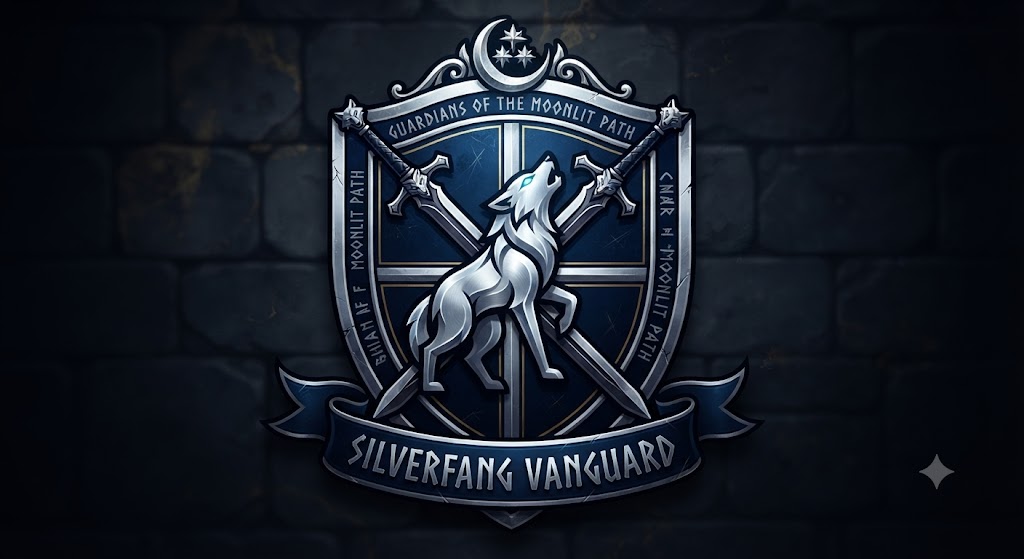
Start by deciding what your crest is for. You might be creating a family keepsake, a fantasy house sigil, a gaming guild emblem, a wedding crest, or a personal badge. Your purpose helps shape every design choice that follows.
Pick One Main Symbol
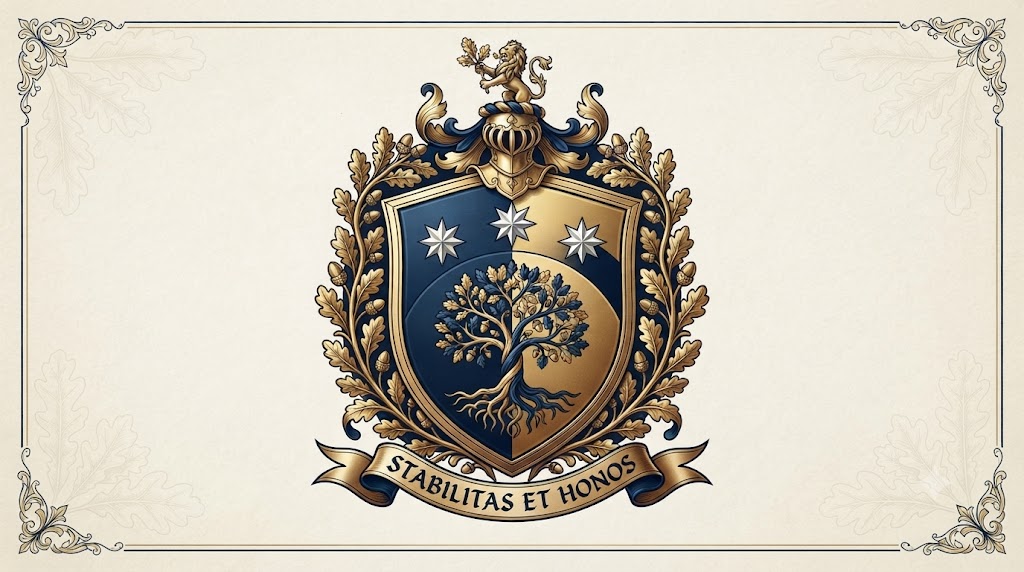
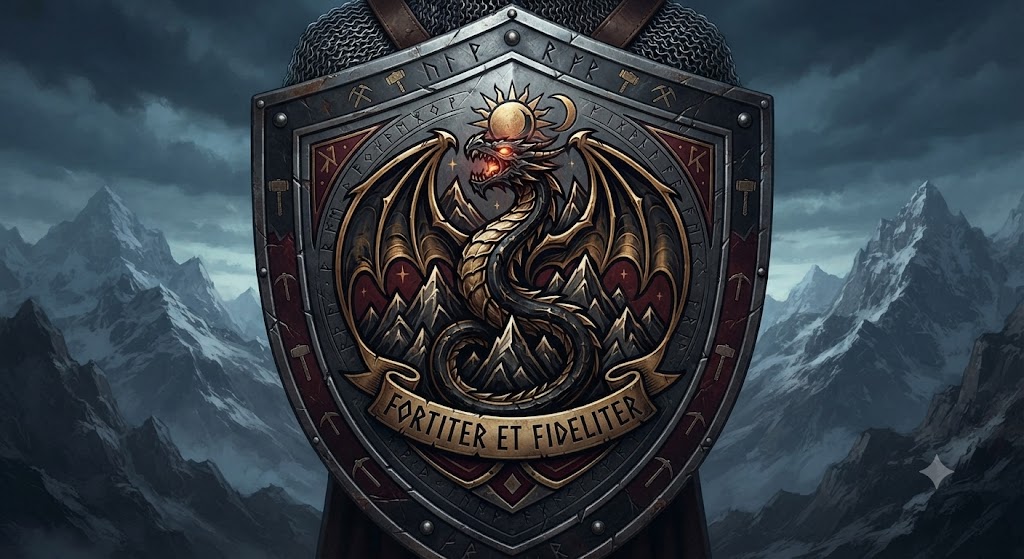
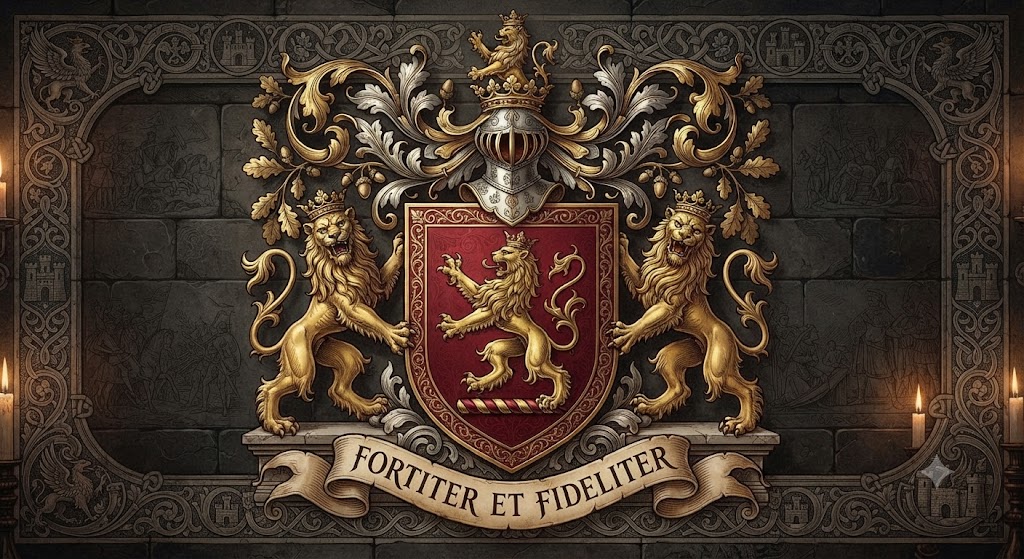
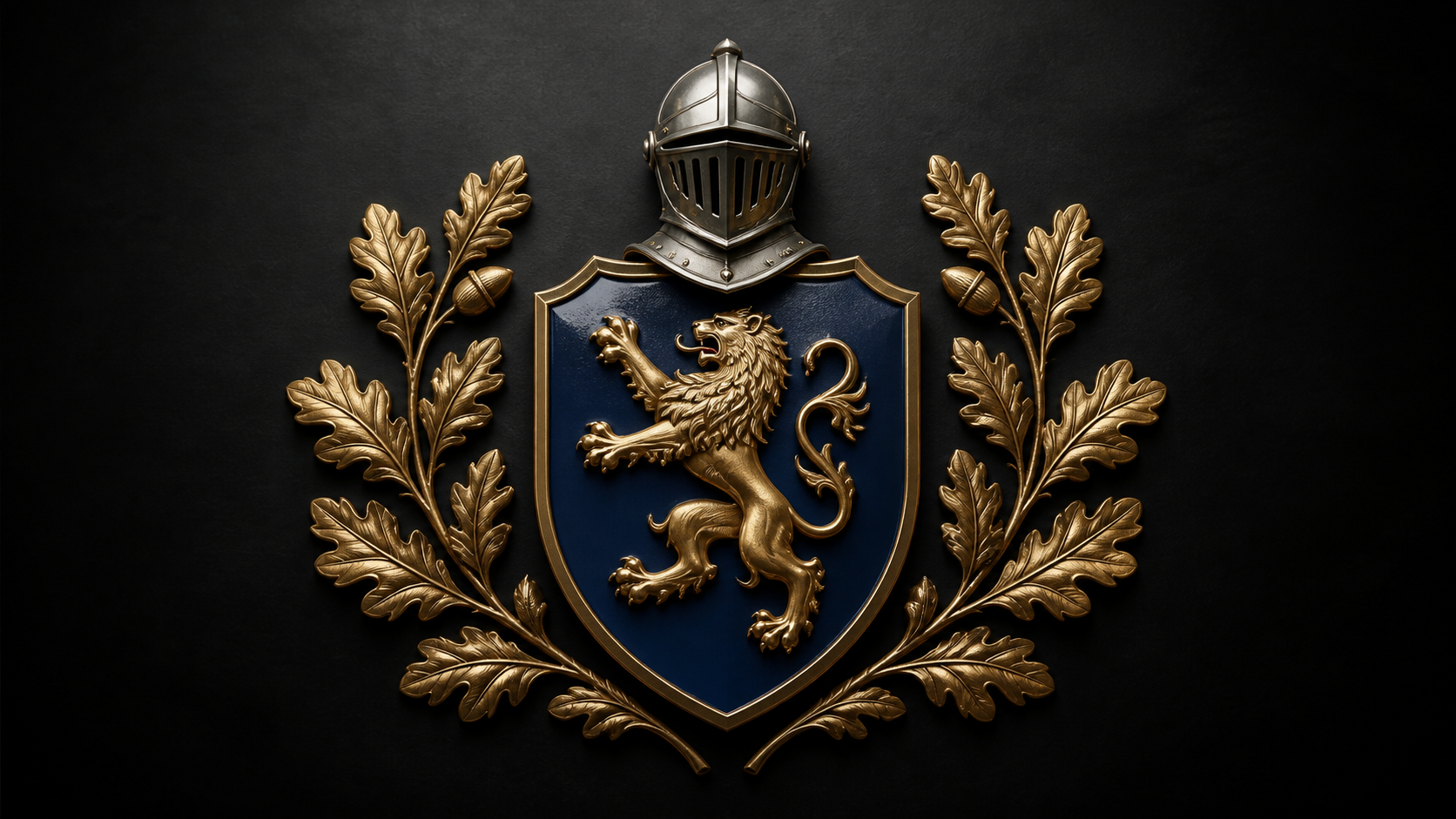
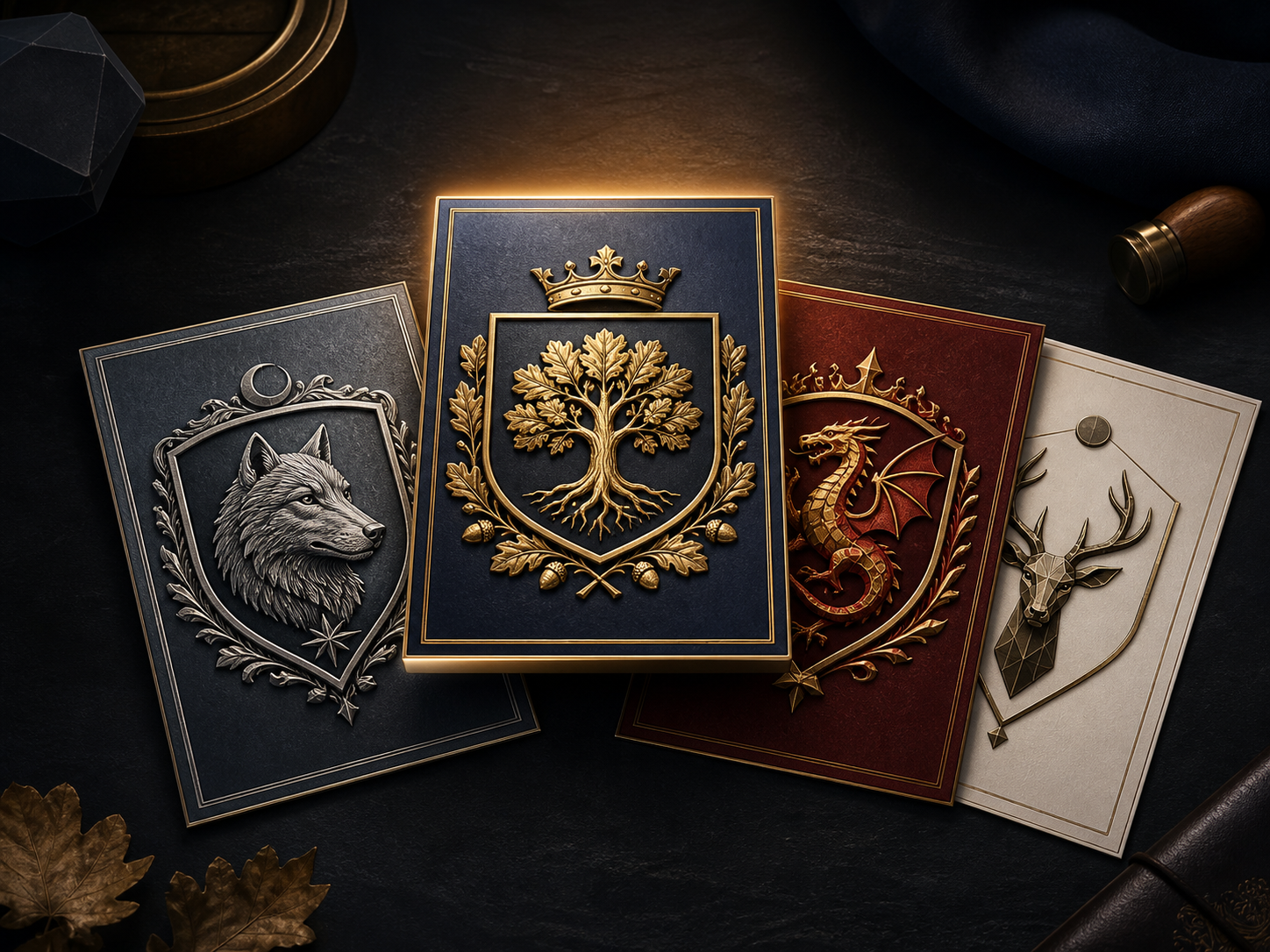
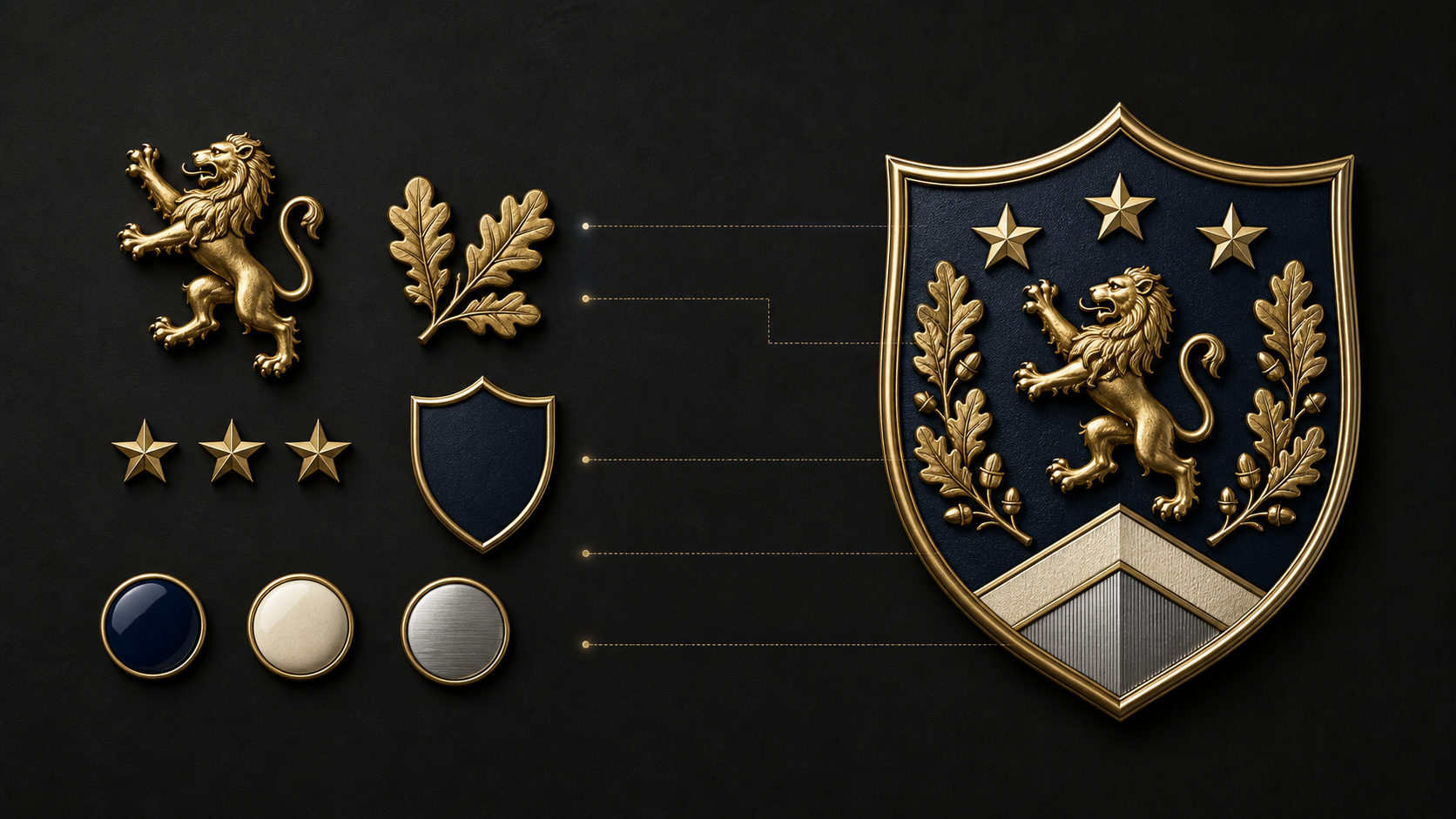
Choose one central symbol that carries the most meaning. A lion can suggest courage, an oak tree can represent strength and heritage, while a dragon can suit a fantasy kingdom. Add only one or two supporting details to keep the emblem recognizable.
Keep Your Colors Focused
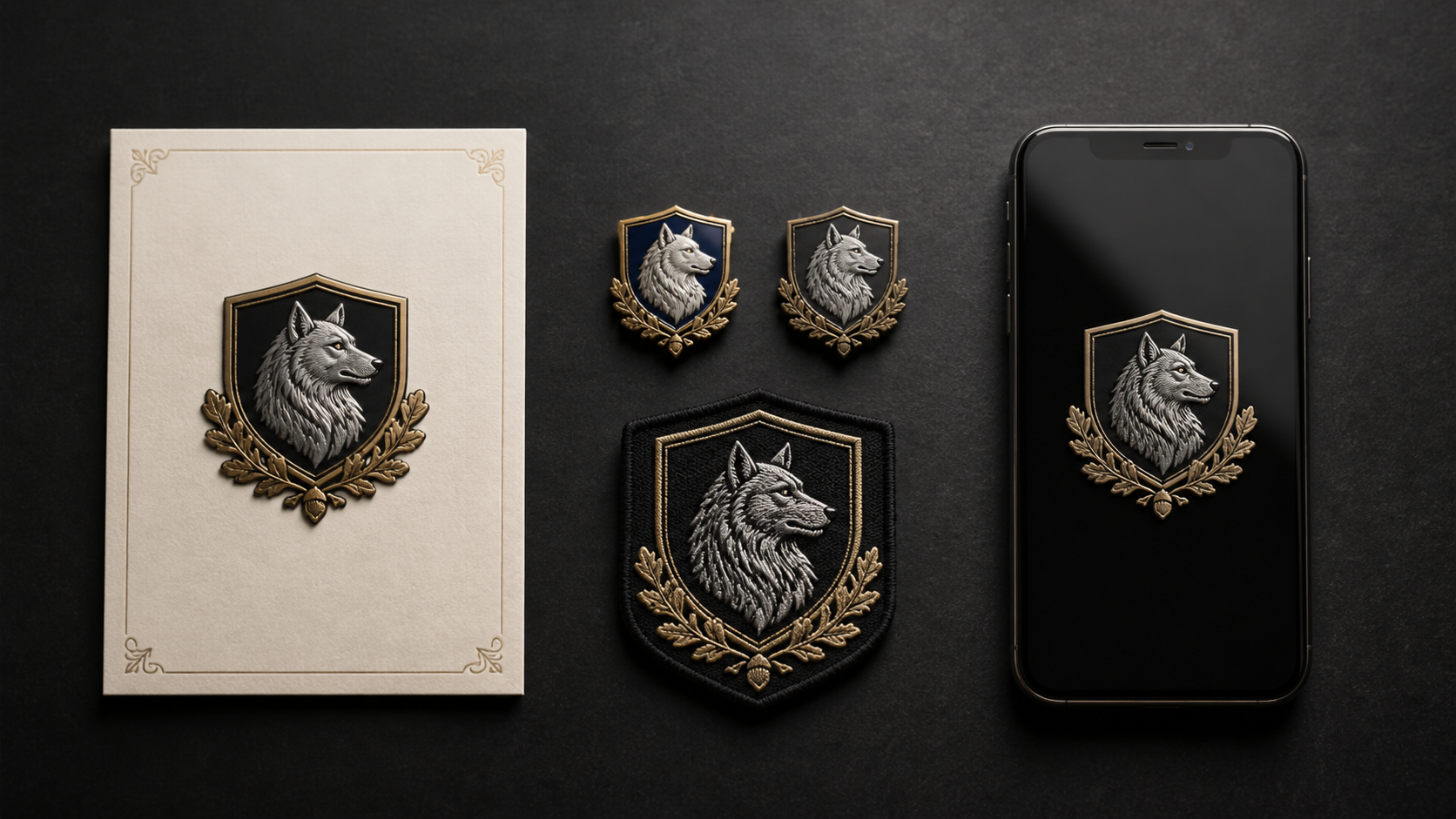
Use two or three main colors for a stronger result. Navy and gold can feel classic and refined, while black and ivory create a more minimalist look. A focused palette makes your crest easier to recognize at any size.
Choose a Style That Fits Your Story
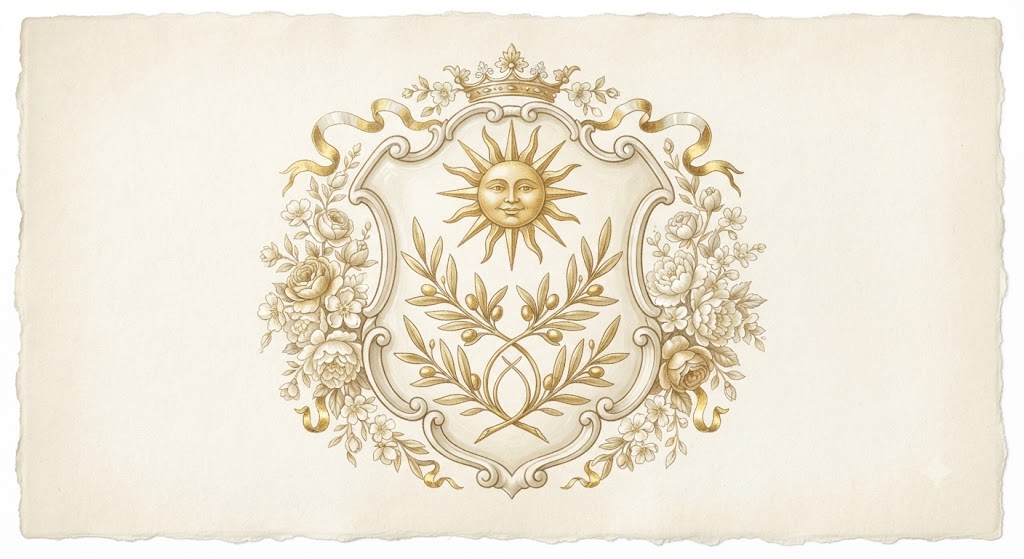
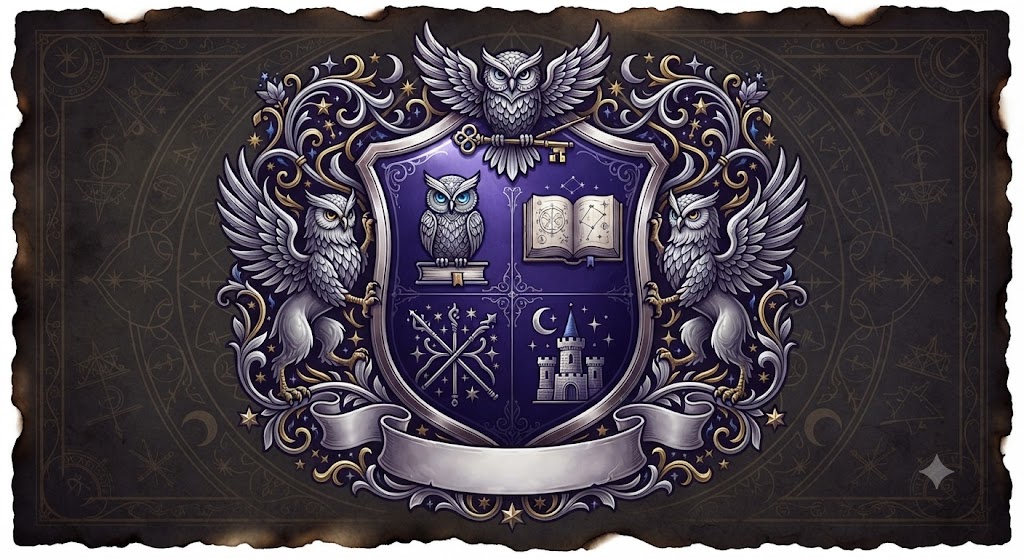
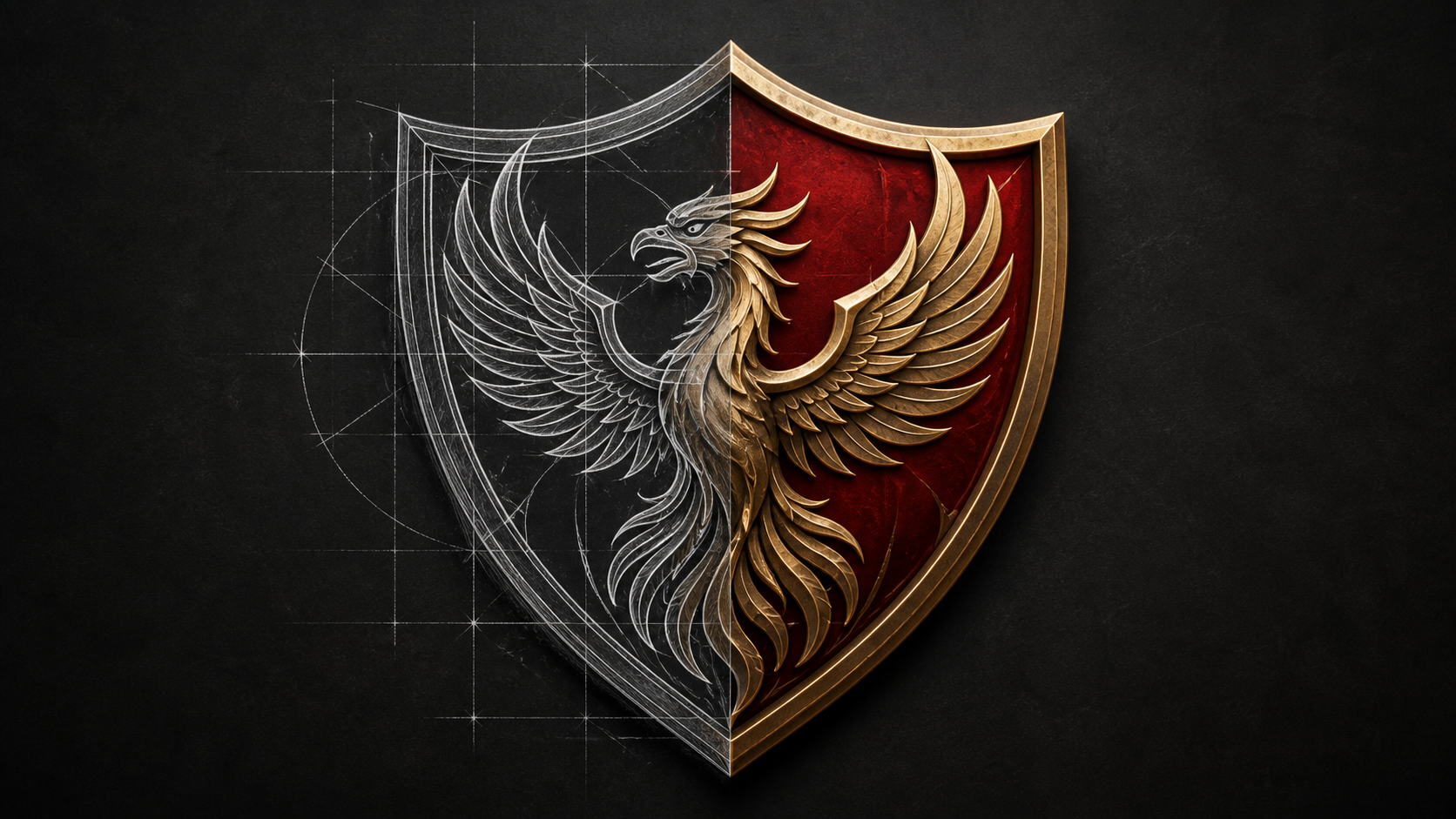
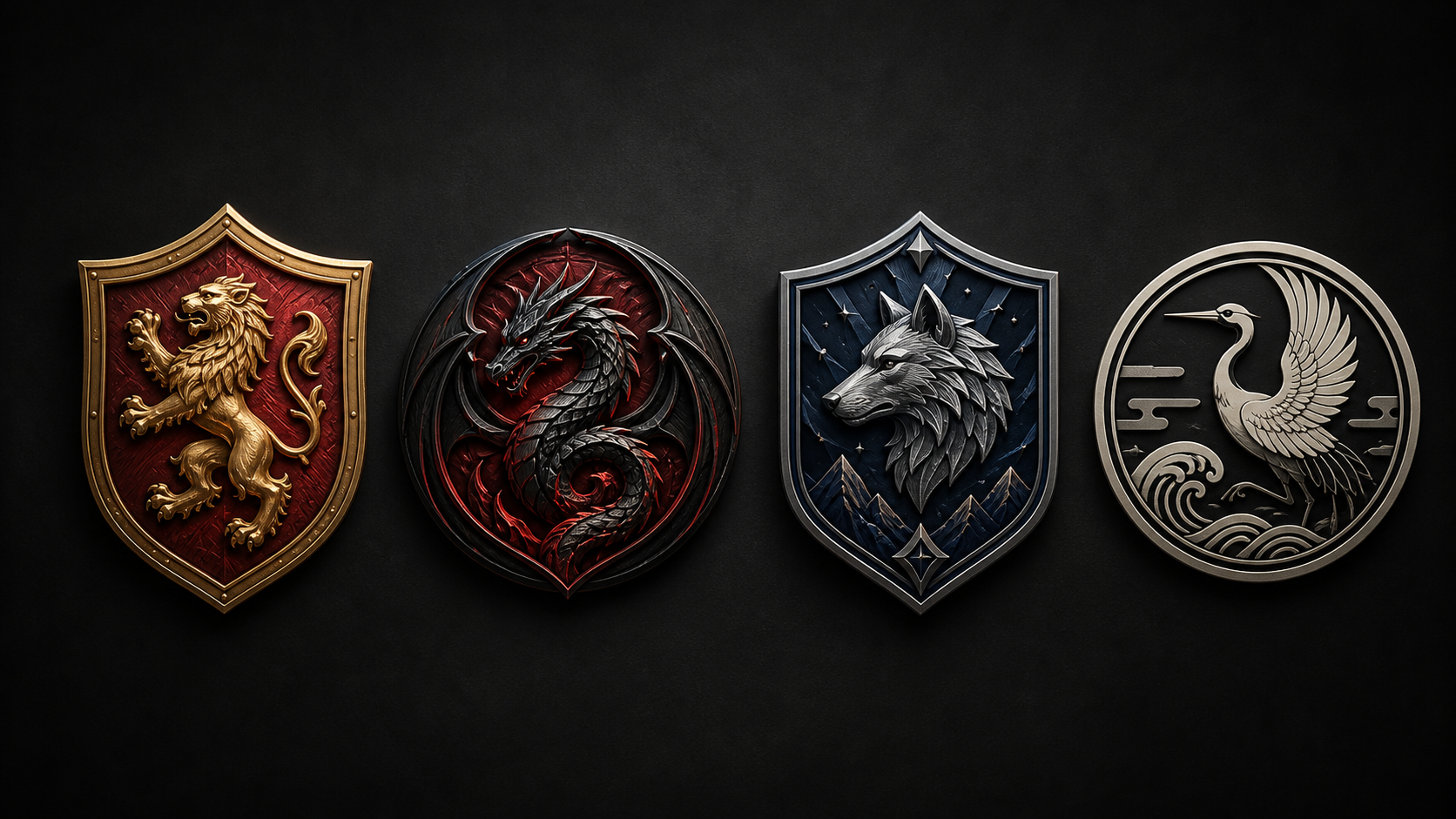
Try traditional heraldry for a formal shield, fantasy for a fictional world, modern minimalism for a clean personal emblem, or a kamon-inspired composition for a balanced circular design. The same symbol can feel completely different in each style.
Use a Clear Prompt Formula
For better results, describe your idea in this order:
[Purpose] + [main symbol] + [supporting detail] + [colors] + [shield or layout] + [style] + [what to avoid]
For example:
“A navy and gold family crest with an oak tree, three silver stars, an elegant heraldic shield, traditional engraving style, no readable text.”
Know What You’re Creating
Your result is an original AI-generated design concept based on your prompt. It is not a verified ancestral crest, a historical family record, or an official grant of arms.
Tip: AI image models may not render small motto text accurately. For a cleaner emblem, generate the design without text and add your motto later in a design editor.