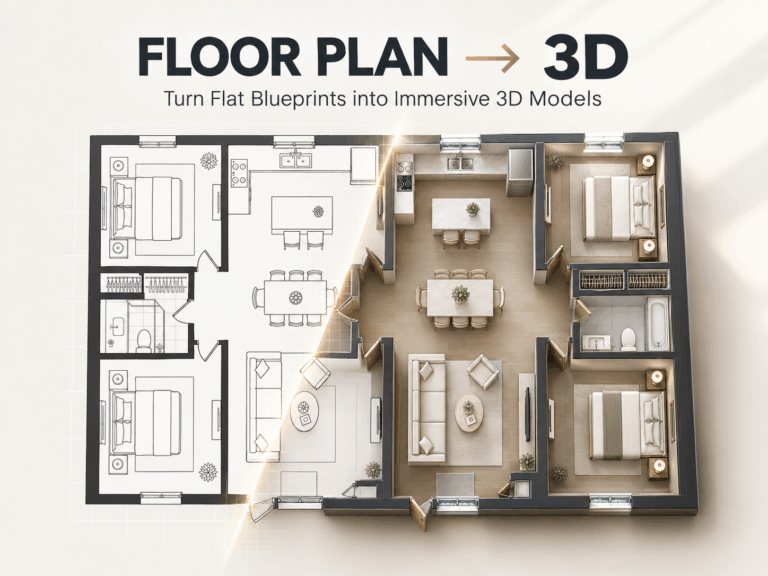
Designing a building used to start with sketches, references, and a lot of trial and error. Now, a simple prompt can generate an entire concept in seconds.
That’s exactly why more designers are turning to tools like an ai architecture generator. Instead of staring at a blank canvas, you can instantly explore styles, forms, and ideas—just by describing them.
From minimalist homes to futuristic skyscrapers, AI is making the early design stage faster, more visual, and honestly… a lot more fun.
What Is an AI Architecture Generator?
An AI architecture generator is a tool that uses artificial intelligence to create architectural concepts based on text prompts, sketches, or references.
For example, you might type something like:
- “Minimalist concrete house overlooking the ocean”
- “Futuristic glass skyscraper with organic curves”
- “Japanese-style wooden house with courtyard garden”
The AI analyzes millions of architectural references and design patterns, then produces concept visuals or layouts based on your description.
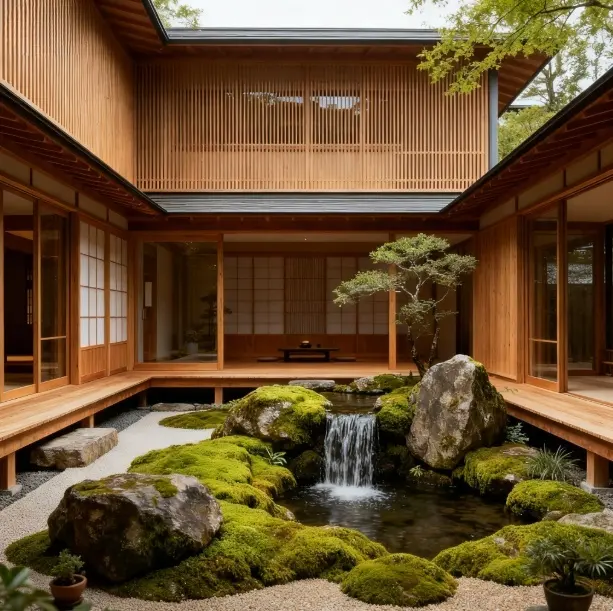


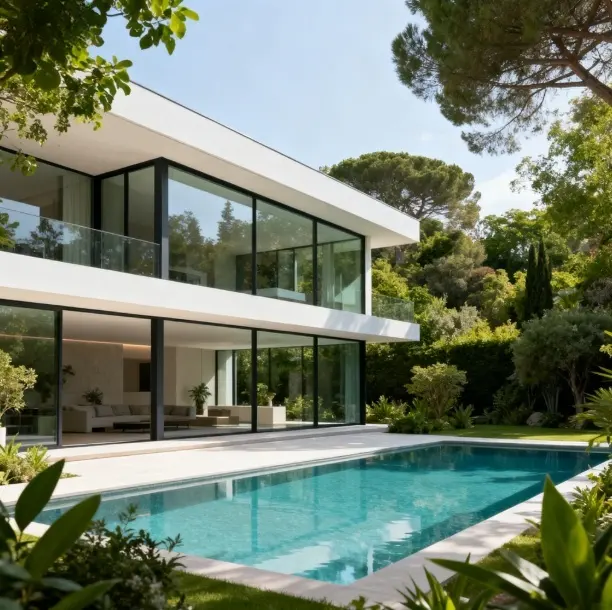
Instead of starting with a blank canvas, designers can instantly explore multiple directions. This is especially helpful during the early concept phase, when ideas are still flexible.
Why Architects and Designers Are Starting to Use AI Tools
There are a few reasons AI-powered design tools are gaining traction.
1. Faster Concept Exploration
Early design stages often involve experimenting with different styles.
With an AI generator, you can quickly produce multiple concepts:
- Modern
- Brutalist
- Scandinavian
- Futuristic
- Parametric
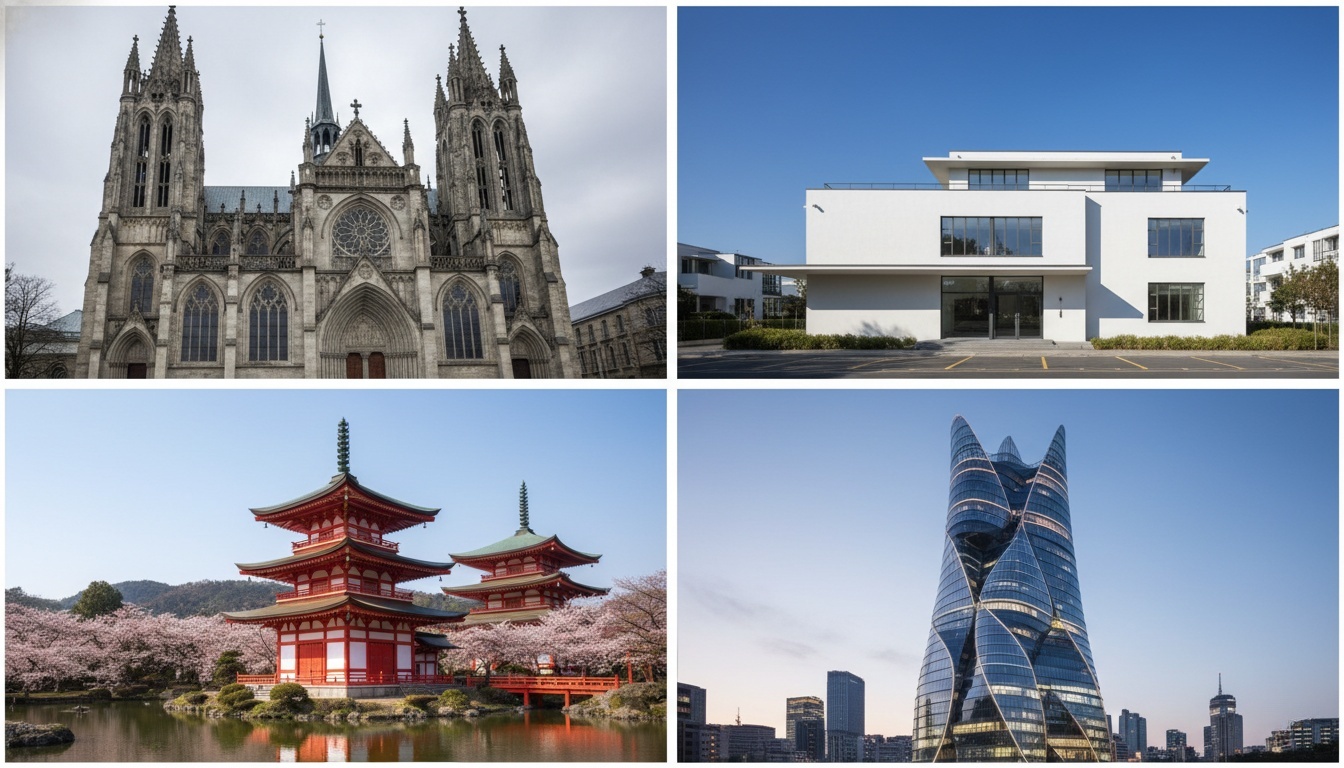
What used to take hours can now take minutes.
2. Better Visual Communication
Architects often need to explain ideas to clients who may not read floor plans easily.
AI-generated visuals help turn abstract ideas into clear concept images, making discussions much easier.
Clients can see:
- building form
- materials
- lighting
- environment
all before detailed modeling even begins.
3. Creative Inspiration
Even experienced architects sometimes hit a creative block.
AI tools can generate unexpected forms, façade patterns, or spatial ideas that might not appear during traditional brainstorming.
Think of it less as replacing architects—and more as a creative partner that throws out ideas.
How to Generate Architectural Concepts with AI
If you’re curious about trying it yourself, the process is surprisingly simple.
One way is to experiment with an ai architecture generator like the one available on AIAI.com, which lets you turn simple prompts into architectural concept visuals.

A basic workflow looks like this:
- Enter a text description of the building
- Choose a design style
- Generate multiple architectural concepts
- Refine the prompt for better results
- Export images for presentations or inspiration
For example, prompts like:
- “Luxury cliffside villa with infinity pool and glass walls”
- “Parametric museum building inspired by flowing water”
- “Eco-friendly wooden cabin in a snowy forest”
can produce surprisingly detailed concept visuals.
Who Can Benefit from AI Architecture Generators?
Interestingly, these tools are not just for professional architects.
Several different groups are starting to use them.
Architecture Students
Students can quickly visualize design ideas when preparing studio projects or concept boards.
Interior Designers
AI-generated architecture visuals help create context for interior design proposals.
Real Estate Developers
Developers can quickly generate building concepts to present investment ideas or property visions.
Content Creators and Bloggers
Architectural concept images are also useful for:
- design blogs
- Pinterest inspiration boards
- social media design content
Limitations to Keep in Mind
Of course, AI is not replacing architectural expertise.
An ai architecture generator is mainly useful for concept ideation, not final construction drawings.
Architects still need professional tools like:
- CAD software
- BIM modeling
- structural analysis
- engineering validation
AI helps with visual exploration, but real buildings still require technical precision.
The Future of AI in Architecture
We’re still at the early stages of AI-assisted design, but the direction is clear.
In the near future, AI tools may help with:
- automatic floor plan generation
- sustainability optimization
- structural suggestions
- urban planning simulations
Instead of replacing architects, AI is likely to become a co-design tool that speeds up the creative process.
And for early-stage ideation, tools like an ai architecture generator are already making architectural exploration faster, easier, and surprisingly fun.
Final Thoughts
Architecture has always evolved alongside technology—from drafting tables to CAD to BIM.
AI is simply the next step.
Whether you’re an architect, a student, or someone who just enjoys exploring design ideas, using an ai architecture generator can make the concept phase much more dynamic.
Sometimes all it takes is a single prompt to spark the next great design idea.

What Is an AI Image to Image Generator? An AI image to image generator is a form of generative AI Read more

Is it time to cancel your Claude subscription? After 72 hours of testing, here is why Google’s Gemini 3 Pro Read more

Struggling with watermarks on your clips? Learn how to remove watermark from video using AIAI.com. This AI video watermark remover Read more

If you’ve been playing with AI video tools over the past couple of years, you’ve probably noticed a pattern:Cool effects, Read more