Is it time to switch from Claude to Gemini? After three days of intensive testing, here’s my honest experience with Google’s latest AI model release. Let’s talk about why the AI landscape just shifted dramatically.
The Subscription Fatigue Problem Every AI User Faces
Let’s be real for a second. If you’re reading this, your credit card statement probably looks like mine: a growing list of $20/month AI subscriptions. ChatGPT Plus, Claude Pro, Google One, and maybe a few others you forgot to cancel. And truth be told, we probably don’t need all those different AI subscriptions.
For the past six months, the advice from tech reviewers was simple: use Claude 3.7 for coding and writing, and stick with Gemini 2.5 for handling massive documents. Clean. Simple. Everyone knew where they stood.
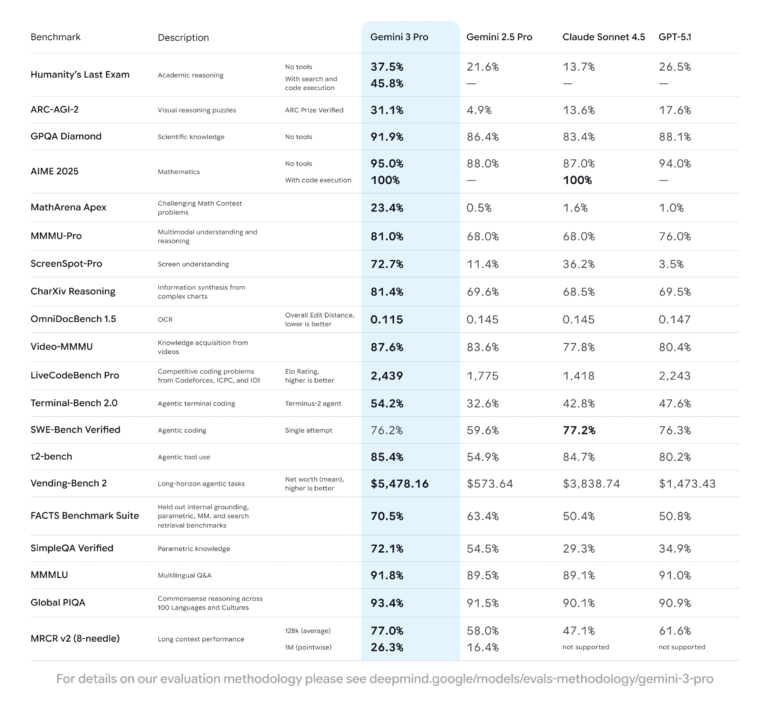
With Google’s new release of Gemini 3 Pro, the AI hierarchy has officially shifted.
Google released Gemini 3 Pro last week, and after 72 hours of putting it through real-world tests: rebuilding my entire coding workflow, analyzing complex legal contracts, and pushing it to its limits. I need to share what I found:

My Late 2025 AI Model Rankings
🏆 S-Tier: Google Gemini 3 Pro
My verdict: The generalist AI finally learned how to think deeply.
Here’s the thing about Gemini that always frustrated me: it was blazing fast and had an impressive context window, but it would sometimes hallucinate details or get sloppy with complex reasoning. Great for quick tasks, unreliable for anything mission-critical.
The new dynamic thinking feature changes everything. This is Google’s response to OpenAI’s reasoning models, but it feels less tacked-on and more naturally integrated into the experience.
Real-World Test: The Python Script That Stumped Claude
I had a messy Python script that Claude 3.7 couldn’t fully debug, the syntax was fine, but the logic was tangled.
When I fed the same script to Gemini 3 Pro, something different happened. Instead of immediately spitting out code, it took a moment (you can literally see it “thinking”), then it patched the issues, refactored the entire logic structure, explained what was broken and why. Plus it used the new Antigravity features to apply fixes across multiple related files automatically.
This wasn’t just faster. It was fundamentally different.
Check out these code examples demonstrating unique features of Gemini 3 Pro:
https://ai.google.dev/gemini-api/docs/gemini-3?thinking=high#code_examples
Best for: Developers, researchers, power users who need an AI that can handle complex, multi-step problems autonomously.
🥈 A-Tier: Claude 3.7 (Sonnet & Opus)
My verdict: Still exceptional for writing, but feeling increasingly limited for technical work.
I genuinely love Claude. If you’ve used it, you know what I mean. The writing feels natural and nuanced in a way that’s hard to describe. It rarely gives you that “AI-written” feeling, and it handles complex prompts without getting squeamish or overly cautious.
If you’re a creative writer, content creator, or someone who primarily uses AI for drafting and editing prose, Claude 3.7 might still be your perfect match.
But here’s why it dropped to A-Tier:
When I switched back to Claude after spending time with Gemini 3 Pro, something felt off. Claude is still trapped in a traditional chat box format. You get brilliant responses, but then you’re manually copy-pasting code blocks, switching between files, and basically acting as the middleman between the AI and your actual work environment.
Meanwhile, Gemini 3 integrates directly into development environments through Google Antigravity, spawns interactive UI elements and manipulates files directly. The difference in workflow efficiency is stark.
Strict message limits: That dreaded “You have 10 messages left today” warning kills momentum
No native web browsing: Still requires additional tools and workarounds
Limited agentic capabilities: Can’t autonomously interact with your development environment
Static output format: Text-only responses, even when visual or interactive outputs would be better
Best for: Writers, content creators, anyone prioritizing natural language quality over technical integration.
🥉 B-Tier: Gemini 2.5 Pro & GPT-5.1
My verdict: Solid free options, but power users will outgrow them quickly.
Gemini 2.5 Pro earned its reputation as the “document analysis champion.” Need to summarize a 500-page legal document or extract insights from an entire textbook? It still handles those tasks well.
But compared to Gemini 3 Pro’s reasoning capabilities, 2.5 feels noticeably lightweight, both can achieve the result, but the experience isn’t the same.
As for GPT-5.1, it’s fast, the voice mode is genuinely impressive for casual conversations, but for serious work like coding, data analysis, complex research, it’s getting squeezed out by Google’s aggressive ecosystem integration and can’t match the reasoning depth of Gemini 3 or the prose quality of Claude 3.7.
Best for: Casual users, students, anyone on a budget who needs occasional AI assistance.
Google isn’t just back in the AI race. With Gemini 3 Pro and the Deep Think + Antigravity combination, they’ve built something that feels less like a chatbot and more like a genuine AI assistant that can understand your goals and execute them autonomously.
Have you tried Gemini 3 Pro yet? What’s been your experience compared to Claude or ChatGPT? Drop a comment below—I’m genuinely curious whether other people are seeing the same performance differences I am.
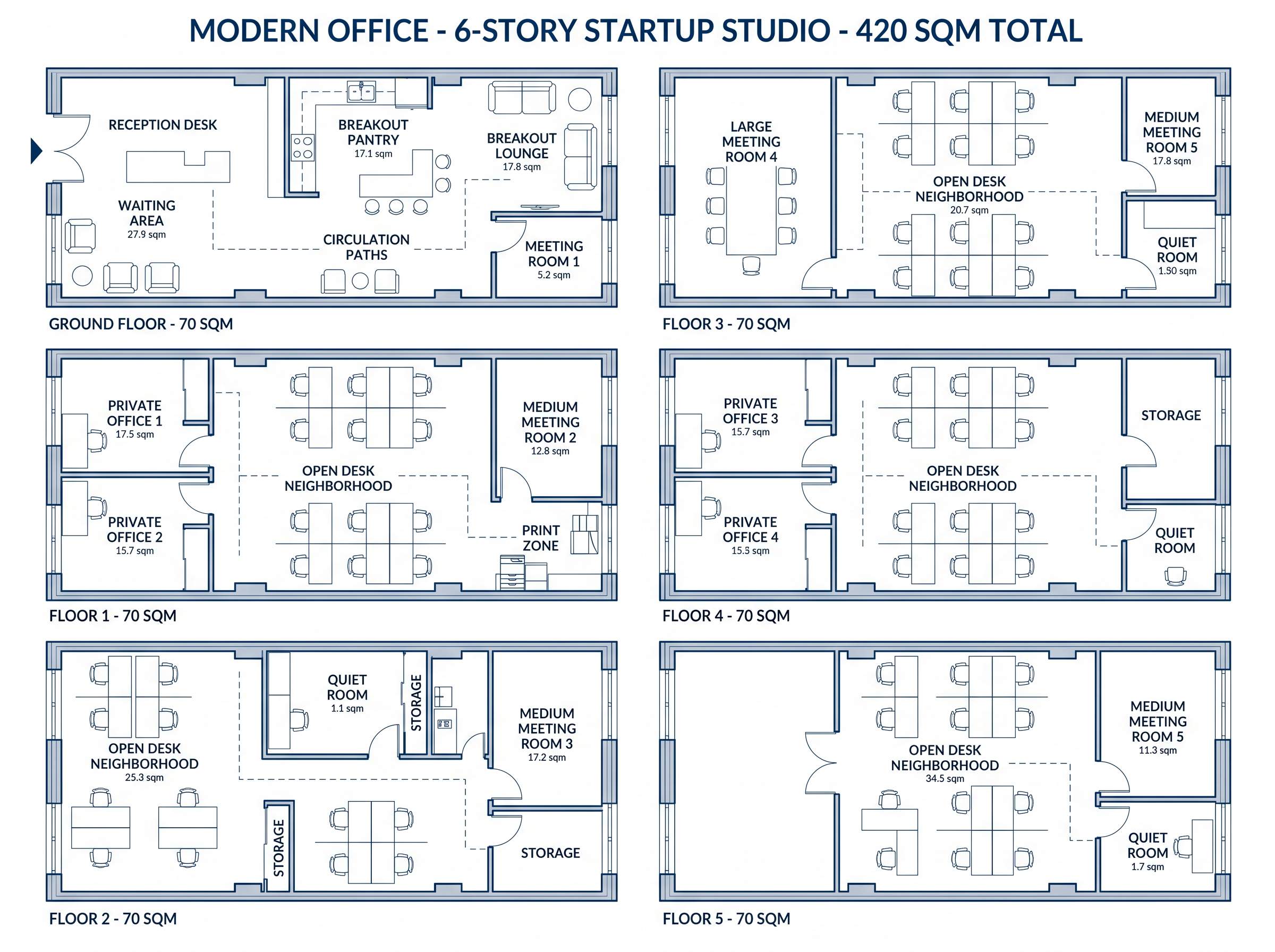
Stop sketching by hand. Learn how to generate a professional office floor plan in minutes using AI. Input your team Read more

Stuck on a workspace layout deadline without the budget for an interior designer or the patience for CAD software? Here Read more

Transform your selfies with Nano Banana Pro, the ultimate AI makeup tool. Discover how to achieve flawless, realistic digital makeovers Read more

Looking for a kling ai remove watermark tool? I found the best AI solution that cleans 4K video instantly. No Read more