By 2026, AI video tools have officially split into tribes. I’ve spent the last month bouncing between them, and the fatigue is real.
Some models want to be Hollywood.
Some want to turn you into a film student again.
Others just want to help you publish a video before your coffee gets cold.
Vidu Q3 is firmly in that last category.
It’s not trying to out-cinema OpenAI’s Sora 2 or out-engineer Runway Gen-3. Instead, Vidu Q3 focuses on something most creators quietly care about more than specs:
speed, simplicity, and getting something usable without a 12-step workflow.
This Vidu Q3 review breaks down what the model does well, where it stumbles, and why it will become one of the most practical AI video generators in 2026.
The AI Video Landscape in 2026: Nobody’s “Best,” Everyone’s Specialized
If you’re still searching for the best AI video generator, here’s the uncomfortable truth:
That question stopped making sense a while ago.
Modern AI video tools don’t try to do everything anymore. They specialize and focus.
Here’s the quick breakdown:
- Sora 2 → cinematic realism, long scenes, enterprise workflows and high-budget.
- Runway Gen-3 → professional controls, 4K output, but a steep learning curve.
- Pika Labs → beginner-friendly, stylized, social-first.
- PixVerse → fast, mobile-first, lightweight.
- Vidu Q3 → fast, practical videos with built-in audio. The “Get-It-Done” choice.
What Is Vidu Q3 (Everything You Need to Know About The Model)
At its core, Vidu Q3 is an AI video generation model for people who want to finish videos in one cohesive workflow.
Its philosophy is refreshingly unambitious in the best way:
- Fewer knobs
- Fewer steps
- Fewer reasons to open another editing app
You describe the scene. You include dialogue or sound if needed. You hit generate. In my experience, about 7 out of 10 times, the first result is actually usable. T
The audio and video all-in-one feature alone puts Vidu Q3 in a very different category from most AI video tools.
The Feature That Actually Changes Everything: Native Audio + Video
Vidu Q3’s biggest advantage is native audio-video generation. This is the feature that made me stop using Pika for quick social clips.
Most AI video tools still treat sound as “someone else’s problem.” You generate visuals, export, then spend twenty minutes hunting for voiceover or music. If you are doing an AI video with a person talking in the frame, you probably need to go to another AI editor to synch up the mouth movement.
Vidu Q3 skips all of that.
You can include dialogue, background music and ambient sound directly in your prompt. The model generates them together, synced to the visuals. While the lip-sync isn’t “prestige TV” quality yet, it’s more than enough for ads, explainers, and social clips. This alone saves more time than any resolution upgrade ever will.
Smart Camera Cuts, Not Film School Homework
Runway Gen-3 gives you total control. Which is great… if you actually want to play director for three hours.
Vidu Q3 takes a different approach: intent-based camera logic. Instead of adjusting camera curves and movement sliders, you just use plain language:
- “Start with a close-up”
- “Cut to a wide shot”
- “End on a reaction”
The model handles the transitions automatically. Is it as precise as a professional editor? No. Sometimes it misinterprets a “cut” for a “zoom.”But is it fast and good enough for 90% of real-world content? Very much yes.
Video Quality and Speed: The Sweet Spot
Vidu Q3 supports:
- Up to 1080P resolution
- Vertical, square, and landscape formats
- Clips from 1 to 16 seconds
A 10-second video often renders in under 30 seconds. That’s noticeably faster than Sora 2 or Runway Gen-3, and fast enough that experimentation doesn’t feel like a chore.
This isn’t a 4K cinematic showcase tool.
It’s a “generate it, post it, move on” tool.
Vidu Q3 vs Other AI Video Models (Real Talk)
- Vidu Q3 vs. Sora 2: Sora 2 is stunning, but it’s slow and expensive. Sora 2 is for the Super Bowl ad; Vidu Q3 is for the Tuesday morning Instagram post.
- Vidu Q3 vs. Runway Gen-3: If you enjoy tweaking parameters and checking histograms, Runway wins. If you enjoy crossing items off your to-do list, Vidu Q3 feels lighter.
- Vidu Q3 vs. Pika/PixVerse: These are great, but Vidu Q3 feels like the “Pro” version of the casual tools because of that native audio integration.
Who Vidu Q3 Is Actually For
Vidu Q3 makes sense if you:
- create short-form video regularly
- want audio and visuals together
- don’t understand all the parameters
It’s especially useful for:
- social media creators
- marketers
- educators
- founders making product videos
If you’re chasing film-festival visuals, look elsewhere.
If you’re chasing done, Vidu Q3 is worth your time.
The Limitations (Because Every Tool Has Them)
Vidu Q3 is not:
- a 4K cinema replacement
- a long-form storytelling engine
- a precision editing suite
During my tests, character consistency still drifted if the clip was longer than 12 seconds. Also, if you want hyper-realistic skin textures, you’ll notice Vidu still has that “smooth” AI look compared to Sora’s grit.
Using Vidu Q3 on AIAI.com
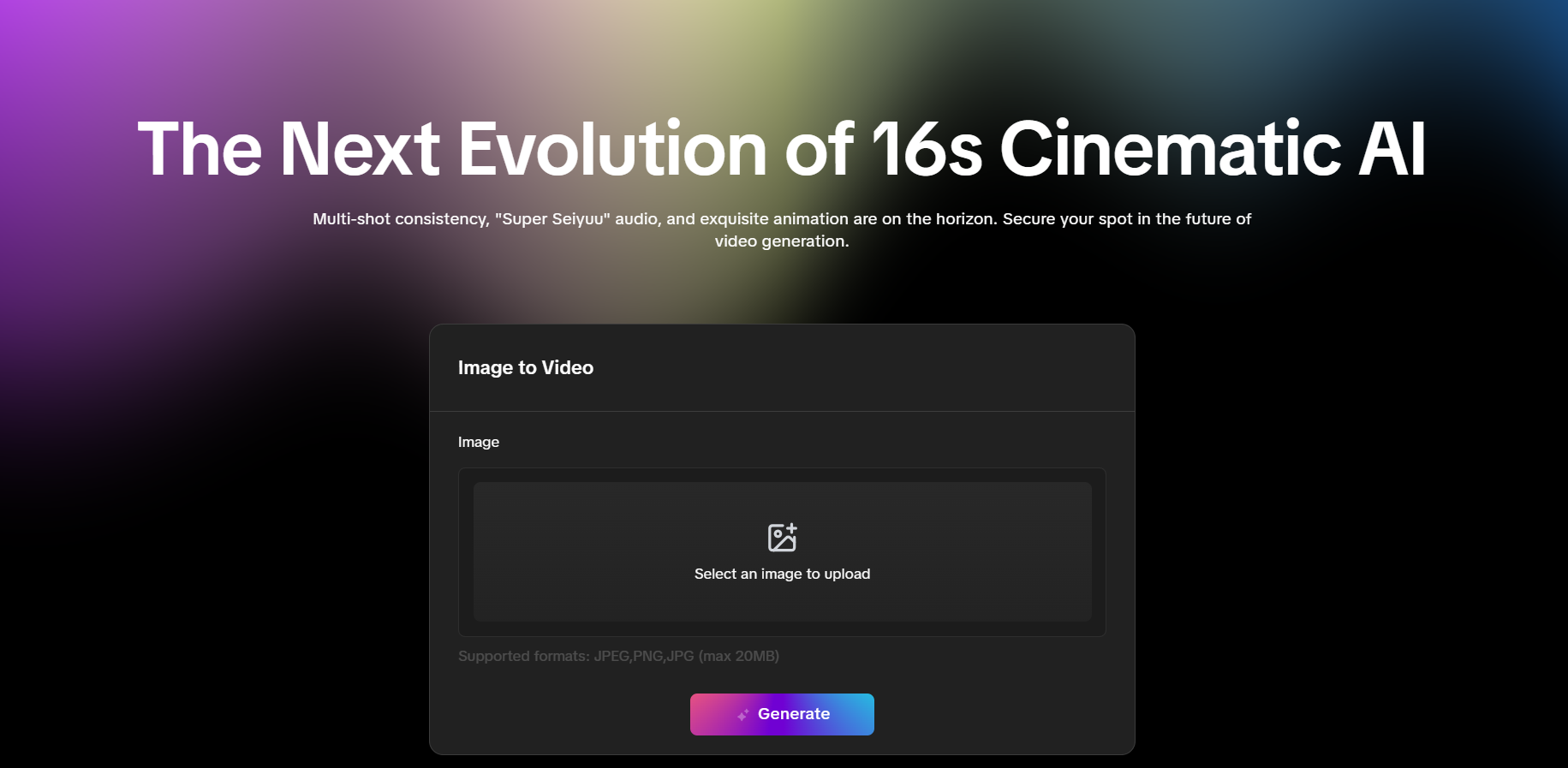
On AIAI.com, Vidu Q3 sits alongside other leading AI video models.
That matters because you can:
- test the same prompt across tools
- compare outputs instantly
- choose the right model per project
No blind commitment. No guessing. Just results.
Is Vidu Q3 Worth Using?
Here’s the honest takeaway:
Vidu Q3 isn’t the flashiest AI video model.
It’s the one you’ll probably keep using.
If you value:
- speed over spectacle
- simplicity over sliders
- finished clips over endless tweaking
Then Vidu Q3 deserves a spot in your toolkit.
And if you want to try it without locking yourself into yet another platform, AIAI.com is one of the easiest ways to do that.

Need a logo but have zero design skills? Learn how to use an AI logo generator to turn simple words Read more

Turn your pet into a Christmas character without costumes or chaos. Explore easy AI pet photo ideas for holiday cards, Read more

Create custom illustrations instantly with an AI clip art generator. Use text or images to generate unique clip art for Read more

Let’s be honest: in the crowded world of AI generation in 2026, if Midjourney wins on texture and Sora wins Read more