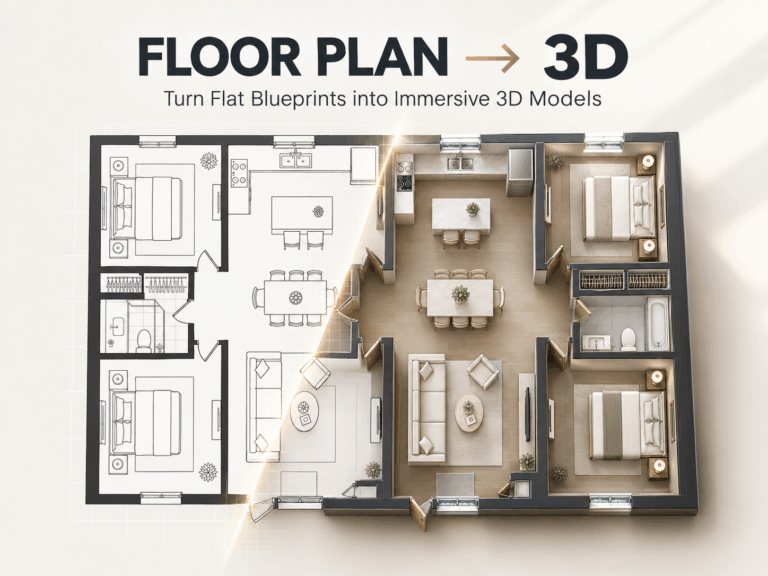
Creating architectural concepts used to require advanced design software, technical expertise, and countless hours of manual work. Today, things are changing quickly. With an AI Architecture Generator, anyone can transform simple ideas, sketches, or text descriptions into impressive architectural concepts within minutes.
Whether you’re an architect looking for inspiration, a student working on a project, a real estate developer presenting ideas to clients, or simply someone interested in architectural design, AI tools are making the creative process faster and more accessible than ever.
In this guide, we’ll explore what an AI Architecture Generator is, how it works, and how you can use it to create stunning architectural visualizations.
What Is an AI Architecture Generator?
An AI Architecture Generator is a design tool that uses artificial intelligence to create architectural concepts based on user input. Instead of manually drawing floor plans or building exteriors from scratch, users can simply describe their ideas using text prompts, sketches, or reference images.
For example, you might enter a prompt such as:
- Modern beachfront villa with floor-to-ceiling windows
- Sustainable mountain cabin surrounded by pine trees
- Futuristic smart city skyscraper with green terraces
- Scandinavian-style family home with minimalist design
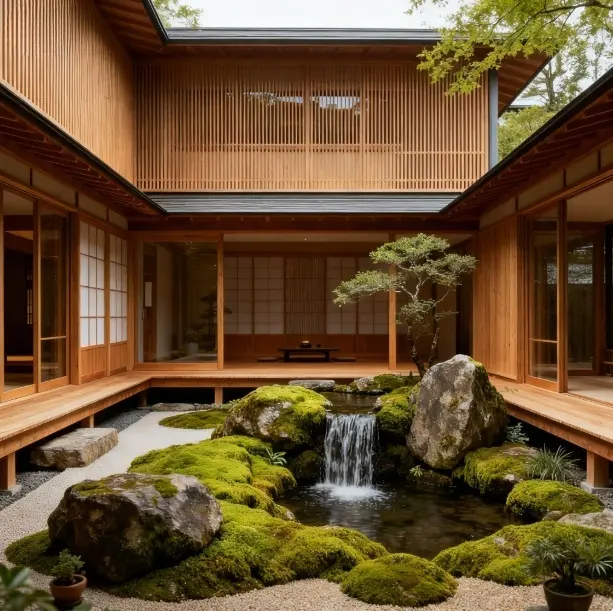

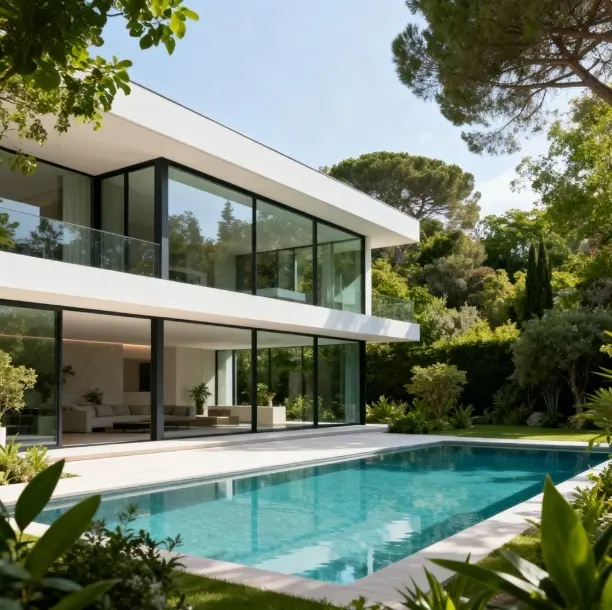
The AI then analyzes the prompt and generates architectural visualizations that match the requested style, structure, and environment.
Why More Designers Are Using AI Architecture Generators
Faster Concept Development
Traditional concept design can take hours or even days. An AI Architecture Generator can produce multiple design variations within seconds, helping architects explore ideas much faster.
Easy Design Exploration
Sometimes the hardest part of a project is finding the right direction. AI can instantly generate different styles, layouts, and visual approaches, making brainstorming easier.
No Advanced Software Skills Required
Many architecture visualization programs have steep learning curves. AI-powered generators allow users to create professional-looking concepts without mastering complex design tools.
Better Client Presentations
Instead of showing rough sketches, designers can quickly create realistic renderings that help clients visualize the final result more clearly.
Inspiration for Students and Creators
Architecture students, interior designers, game developers, and digital artists often use AI-generated concepts as references during the creative process.
How Does an AI Architecture Generator Work?
Most AI architecture tools follow a simple workflow:
Step 1: Enter a Design Prompt
Describe the building you want to create. The more details you provide, the better the results usually become.
Example:
“Luxury contemporary villa with an infinity pool, glass walls, warm lighting, and tropical landscaping.”
Step 2: Select an Architectural Style
Many tools allow you to choose styles such as:
- Modern
- Contemporary
- Minimalist
- Industrial
- Scandinavian
- Mediterranean
- Japanese
- Futuristic
- Sustainable Eco Design
Step 3: Generate Visualizations
The AI analyzes the prompt and creates architectural images based on your description.
Step 4: Refine and Regenerate
You can adjust prompts, add details, or modify the style to create alternative concepts until you find a design you like.
Popular Use Cases for AI Architecture Generators
Residential Home Design
Generate ideas for:
- Single-family homes
- Luxury villas
- Tiny houses
- Vacation properties
- Smart homes
Commercial Buildings
Create concepts for:
- Office buildings
- Hotels
- Retail centers
- Restaurants
- Mixed-use developments
Urban Planning
Visualize:
- Smart cities
- Public spaces
- Transportation hubs
- Community developments
Interior and Exterior Design
Experiment with:
- Facade designs
- Landscaping concepts
- Interior layouts
- Lighting ideas
Real Estate Marketing
Developers can generate visual concepts before construction begins, making it easier to attract investors and buyers.
Tips for Getting Better Results
Be Specific
Instead of writing:
“Modern house”
Try:
“Modern two-story house with black exterior panels, floor-to-ceiling windows, outdoor pool, and minimalist landscaping.”
Include Materials
Mention materials such as:
- Concrete
- Glass
- Wood
- Steel
- Stone
These details help the AI create more realistic renderings.
Describe the Environment
Adding environmental context often improves results:
- Coastal setting
- Urban downtown
- Forest landscape
- Desert environment
- Mountain location
Mention Lighting Conditions
Examples:
- Golden hour sunlight
- Sunset lighting
- Nighttime city lights
- Bright daytime scene
Create Architectural Concepts with AIAI
If you’re looking for an easy way to generate architectural visuals, AIAI offers an intuitive AI image generation platform that can transform text prompts into detailed architectural concepts.
Simply describe your building idea, choose your preferred style, and let the AI generate professional-looking visualizations within seconds. Whether you’re exploring modern residential designs, commercial projects, futuristic city concepts, or interior spaces, AIAI can help streamline the creative process and spark new ideas.
The platform is especially useful for early-stage concept development, mood boards, presentations, and design inspiration.
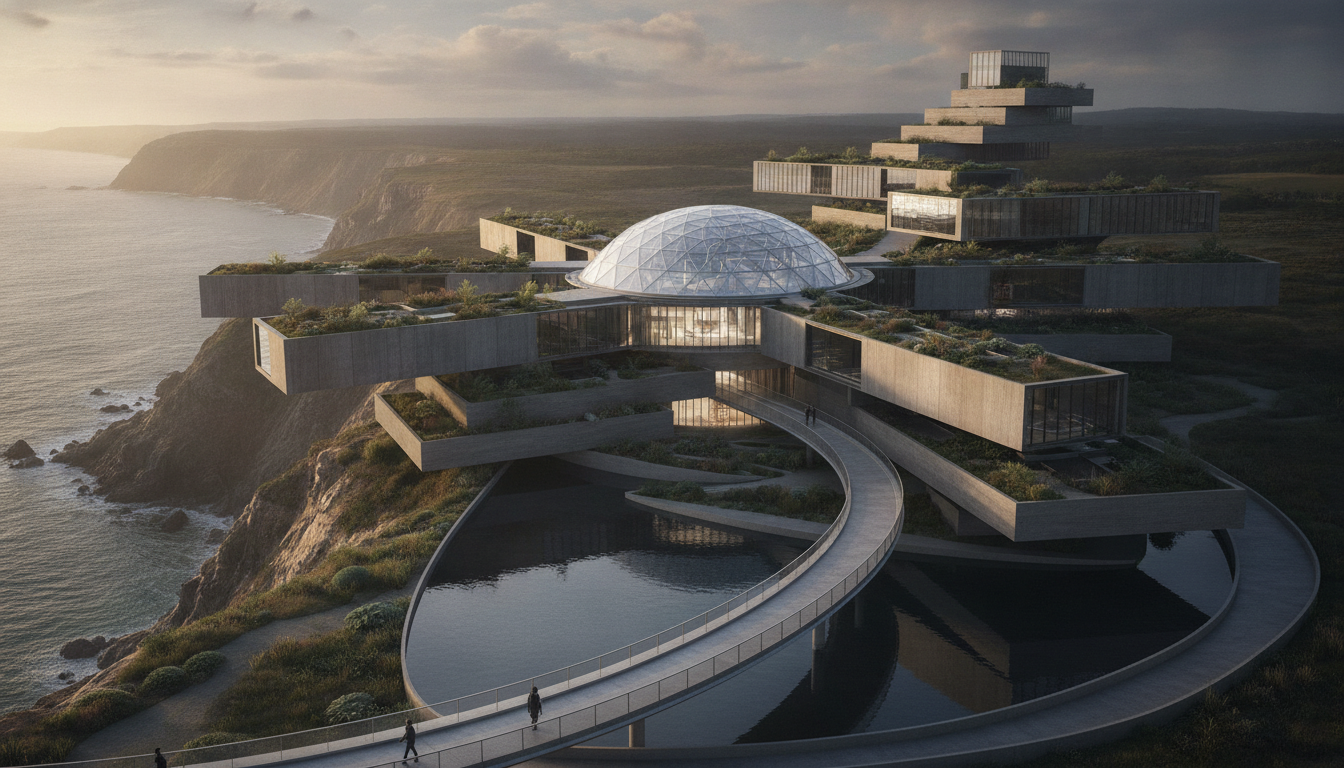
Limitations of AI Architecture Generators
While AI tools are powerful, it’s important to understand their limitations.
- Generated designs may not follow local building codes.
- Structural engineering requirements are not always considered.
- Floor plans may need professional review.
- AI-generated concepts should be treated as inspiration rather than construction-ready documents.
Professional architects and engineers should always verify designs before real-world implementation.
The Future of AI in Architecture
Artificial intelligence is becoming an increasingly valuable tool in the architecture industry. As AI models continue to improve, we can expect more advanced capabilities such as:
- Automated floor plan generation
- Real-time design optimization
- Sustainability analysis
- Cost estimation
- Building performance simulation
- Interactive 3D architectural environments
Rather than replacing architects, AI is helping professionals work more efficiently and spend more time on creative problem-solving.
Final Thoughts
An AI Architecture Generator makes architectural visualization faster, easier, and more accessible than ever before. From homeowners exploring dream house ideas to architects developing client presentations, AI-powered tools are transforming how design concepts are created.
By combining creativity with artificial intelligence, users can generate stunning architectural concepts in minutes, explore multiple design directions, and accelerate the entire brainstorming process. As the technology continues to evolve, AI Architecture Generators are likely to become an essential part of the modern design workflow.

Finding the perfect AI video tool in 2026 can feel like an expensive guessing game of trial and error. We Read more

Discover how a video text remover can quickly and easily remove subtitles, watermarks, and unwanted text from your videos. Learn Read more
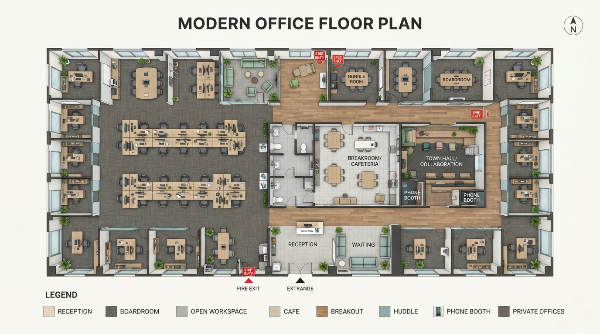
Creating an effective office floor plan sounds simple at first. You need desks, meeting rooms, a reception area, and perhaps Read more
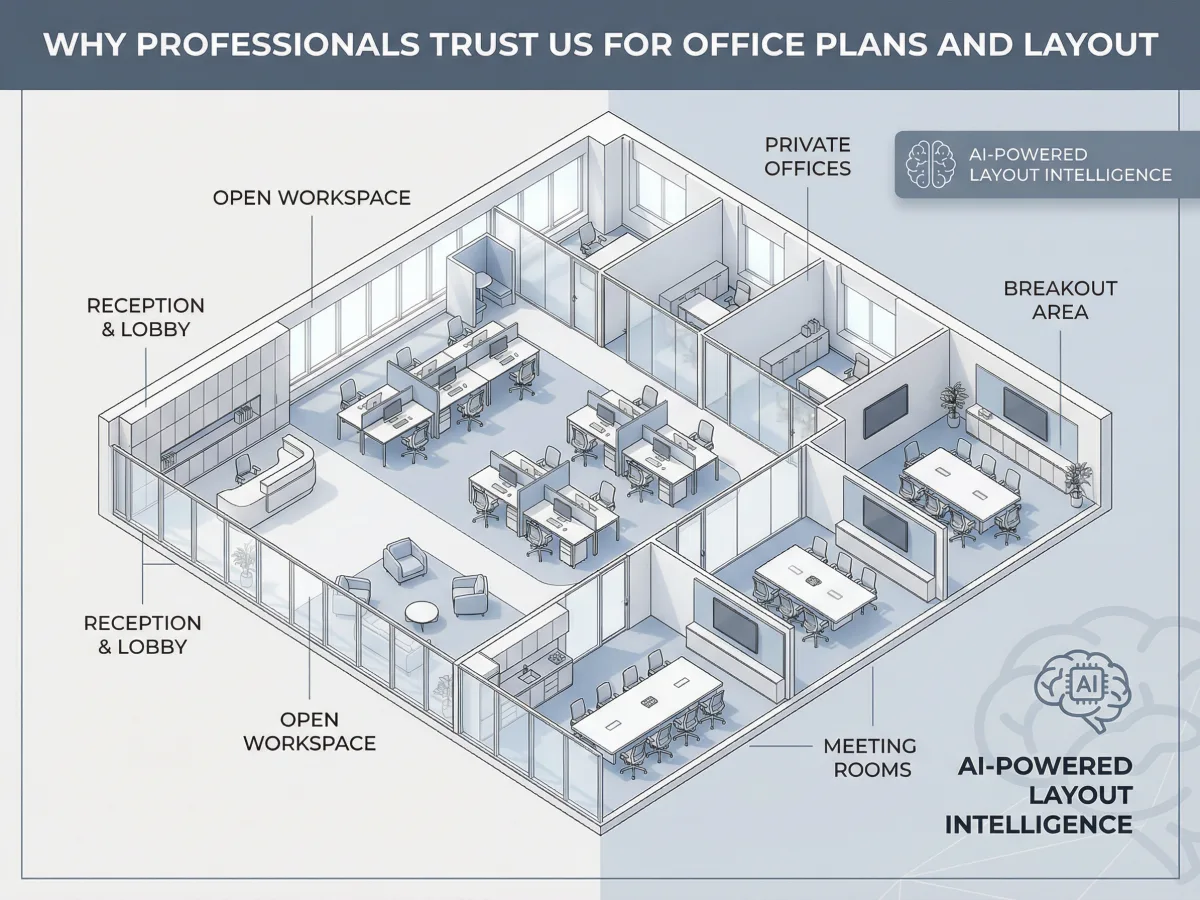
Stuck on a workspace layout deadline without the budget for an interior designer or the patience for CAD software? Here Read more